

Interior Design: Creating Spaces That Inspire, Function, and Endure
PUBLISHED : 2nd Sep 2026
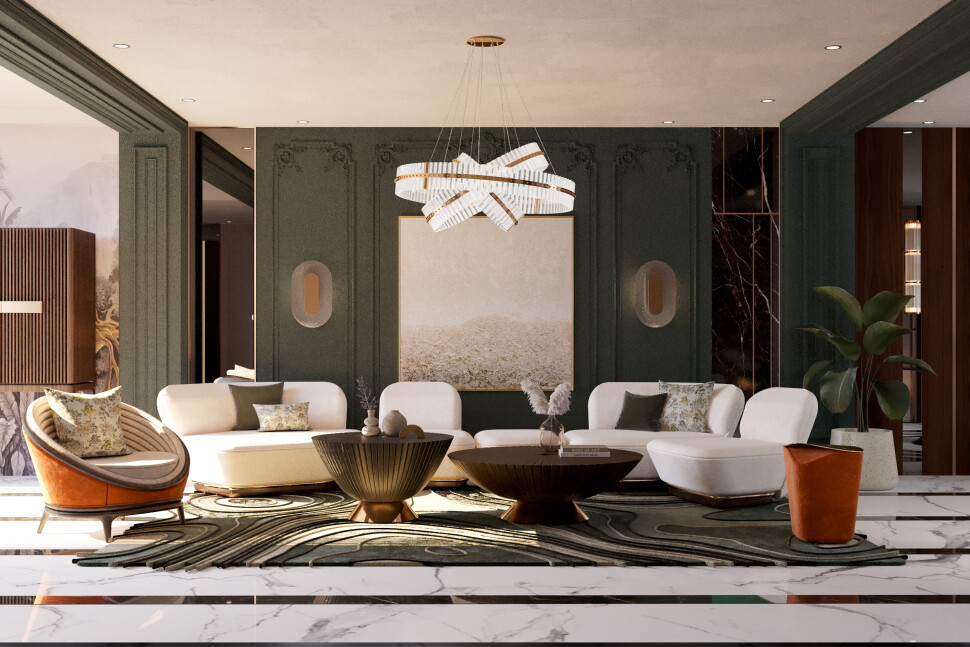
Interior design is far more than selecting attractive furniture or choosing the perfect paint color. It is the thoughtful process of creating spaces that balance functionality, comfort, aesthetics, and personality. Whether designing a family home, a modern office, a luxury hotel, or a retail showroom, interior design transforms ordinary spaces into environments that enhance everyday living.
A well-designed interior reflects the people who use it while improving productivity, comfort, and well-being. With evolving lifestyles, technological advancements, and increasing awareness of sustainable living, interior design has become an essential investment rather than a luxury. Today, homeowners and businesses alike recognize that professionally designed spaces offer long-term value, improve efficiency, and create memorable experiences.
This article explores the importance of interior design, its core principles, current trends, and practical tips for creating timeless interiors.
Why Interior Design Matters
Every space influences how people think, feel, and interact. The arrangement of furniture, choice of colors, lighting, textures, and decorative elements all contribute to the atmosphere of a room.
Professionally designed interiors provide several benefits:
- Improve functionality and maximize available space.
-
Create visually appealing environments.
-
Increase comfort and convenience.
-
Enhance property value.
-
Reflect personal style or brand identity.
-
Support physical and mental well-being.
Whether it's a cozy living room designed for relaxation or a productive workspace that encourages creativity, thoughtful interior design improves quality of life in meaningful ways.
The Core Principles of Interior Design
Successful interiors are built upon a foundation of design principles that create harmony and balance.
1. Space Planning
Space planning is the backbone of interior design. It involves organizing furniture and architectural elements to maximize usability while maintaining comfort and efficient movement throughout the room.
Professional designers evaluate traffic flow, room dimensions, furniture placement, and user needs before selecting decorative elements. Effective space planning ensures every square foot serves a purpose without making the room feel crowded.
2. Balance
Balance creates visual stability within a space. It can be achieved in three primary ways:
-
Symmetrical Balance: Traditional and formal arrangements where elements mirror each other.
- Asymmetrical Balance: Modern layouts using different objects with equal visual weight.
- Radial Balance: Furniture and décor arranged around a central focal point such as a dining table or chandelier.
Balanced interiors feel comfortable and naturally pleasing to the eye.
3. Harmony and Unity
Every design element should work together to create a cohesive appearance. Furniture, lighting, flooring, colors, fabrics, and decorative accessories should complement one another rather than compete for attention.
Consistency in style creates interiors that feel polished and professionally curated.
4. Color Selection
Colors significantly influence mood and perception.
-
Neutral shades create calm, elegant environments.
-
Earth tones add warmth and comfort.
-
Blue promotes relaxation.
-
Green symbolizes freshness and nature.
-
Yellow introduces energy and optimism.
-
Black adds sophistication when used thoughtfully.
Successful color palettes combine primary colors with complementary accents to achieve depth and visual interest.
5. Lighting Design
Lighting is one of the most important aspects of interior design. Even beautifully designed spaces can feel dull without proper illumination.
An effective lighting plan combines:
- Ambient lighting for general illumination.
-
Task lighting for reading, cooking, or working.
-
Accent lighting to highlight artwork or architectural features.
-
Decorative lighting that serves as a design statement.
Natural light should also be maximized whenever possible, creating brighter, healthier interiors while reducing energy consumption.
Popular Interior Design Styles
Interior design offers countless styles, allowing homeowners to create spaces that suit their personalities and lifestyles.
Modern
Modern interiors feature clean lines, minimal decoration, neutral colors, and functional furniture. Simplicity remains the defining characteristic.
Contemporary
Contemporary design embraces current trends while maintaining sophistication. It often combines natural materials with modern finishes and innovative lighting.
Scandinavian
Known for simplicity and functionality, Scandinavian interiors emphasize light colors, wooden textures, comfortable furnishings, and uncluttered layouts.
Industrial
Inspired by converted warehouses and factories, industrial interiors showcase exposed brick, concrete surfaces, metal finishes, and open spaces.
Traditional
Traditional interiors feature elegant furniture, rich wood finishes, decorative moldings, luxurious fabrics, and timeless architectural details.
Minimalist
Minimalism follows the philosophy of "less is more." Every object serves a purpose while maintaining a clean and peaceful environment.
Sustainable Interior Design
Sustainability has become a major focus in modern interior design.
Eco-friendly interiors reduce environmental impact while creating healthier living spaces.
Popular sustainable practices include:
-
Using recycled or reclaimed materials.
-
Choosing energy-efficient LED lighting.
-
Selecting low-VOC paints.
-
Installing energy-saving appliances.
-
Incorporating natural ventilation.
-
Purchasing locally sourced furniture.
-
Adding indoor plants for improved air quality.
Sustainable design not only benefits the environment but also reduces long-term operating costs.
Smart Homes and Technology
Technology has transformed modern interiors.
Today's smart homes integrate intelligent systems that improve convenience, security, and energy efficiency.
Popular smart home features include:
-
Voice-controlled lighting.
-
Automated curtains.
-
Smart thermostats.
-
Security cameras.
-
Digital door locks.
-
Home automation systems.
-
Wireless charging stations.
These innovations blend seamlessly with modern interior aesthetics while making everyday living more convenient.
Choosing the Right Furniture
Furniture should combine comfort, durability, and visual appeal.
Before purchasing furniture, consider:
- Room dimensions.
-
Daily usage.
-
Material quality.
-
Maintenance requirements.
-
Storage needs.
-
Color coordination.
-
Long-term durability.
Rather than filling every corner, select quality pieces that contribute to both function and style.
The Importance of Texture and Materials
Texture adds depth and personality to interiors.
Combining different materials creates visual interest without overwhelming the space.
Popular materials include:
-
Natural wood
-
Marble
-
Glass
-
Metal
-
Linen
-
Cotton
-
Velvet
-
Stone
-
Ceramic
Mixing soft textiles with harder surfaces produces balanced and inviting interiors.
Personalization Makes Every Space Unique
While design principles provide structure, personalization gives a home its identity.
Artwork, family photographs, travel souvenirs, handcrafted décor, books, and meaningful accessories transform beautifully designed rooms into truly personal spaces.
Interior design should reflect the people who live or work within it rather than simply following trends.
Common Interior Design Mistakes
Even beautifully furnished homes can suffer from design mistakes.
Some common issues include:
-
Poor lighting.
-
Oversized furniture.
-
Ignoring storage requirements.
-
Too many decorative items.
-
Lack of color balance.
-
Inconsistent design styles.
-
Improper rug sizes.
-
Blocking natural light.
Avoiding these mistakes creates interiors that remain practical and visually appealing for years.
Future Trends in Interior Design
Interior design continues to evolve alongside changing lifestyles.
Emerging trends include:
- Biophilic design with natural elements.
-
Multi-functional furniture for compact living.
-
Curved furniture and organic shapes.
-
Warm neutral color palettes.
-
Smart home integration.
-
Sustainable materials.
-
Wellness-focused spaces.
-
Personalized luxury interiors.
The future emphasizes flexibility, sustainability, and human-centered design.
Conclusion
Interior design is the perfect blend of creativity, functionality, and thoughtful planning. It shapes how people experience their surroundings, influences mood, and enhances daily life. Whether creating a modern apartment, a luxurious residence, or a productive commercial space, successful interior design focuses on meeting practical needs while expressing individual style.
By applying fundamental design principles, investing in quality materials, embracing sustainability, and incorporating personal touches, any space can become both beautiful and highly functional. As lifestyles continue to evolve, interior design will remain an essential element in creating environments that inspire, comfort, and enrich everyday living.